Training
Five to seven days, in a real Singapore home — built around how people actually learn, not how classrooms teach.
The Method
Some people learn by seeing, some by hearing, some by doing — the VAK principle. Our training runs every skill through all three, in the same order, every time.
She watches the exact skill on video — short-form on TikTok when the skill is quick, long-form on YouTube when it needs depth. Seeing and hearing it done sets the picture in her mind.
She writes the steps into her training notebook — in her own words, her own language. Writing forces her to process it, and the notebook becomes her reference for life in your home.
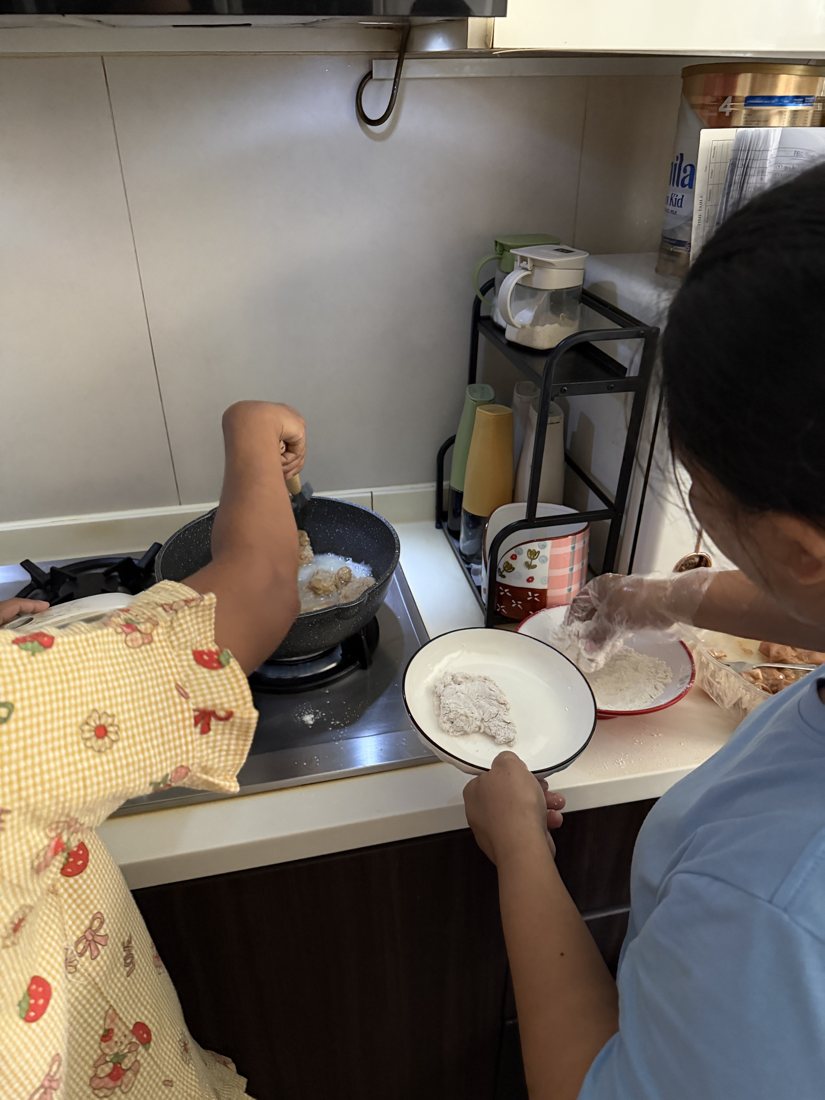
Then she does it — immediately, hands-on, in a real home. Not next week in your kitchen. Now, with someone beside her to correct and encourage.
An Unpopular Opinion
Most employers think social media is bad for helpers. We agree — when it's aimless. But pointed in the right direction, it's the best free training library ever built. A few examples of what it could look like:
TikTok for the quick version, YouTube when the dish deserves the full walkthrough. The exact food your family eats — demonstrated by people who cook it daily.
Temperature by fabric, the right order, why some clothes burn. Watched, noted, then practised on real laundry.
Which cycle for which load — so clothes last and nothing shrinks. Look it up, not guess.
How to use a Ninja 11-in-1 multi-cooker, an air fryer, a robot vacuum. Whatever a home runs on, there's a video for it.
These are just examples — where it goes is up to you. See a dish your family loves, or a method you prefer? Simply send her the video. A 60-second clip often expresses exactly what you want, far more precisely than ten minutes of explaining.
Cooking Training
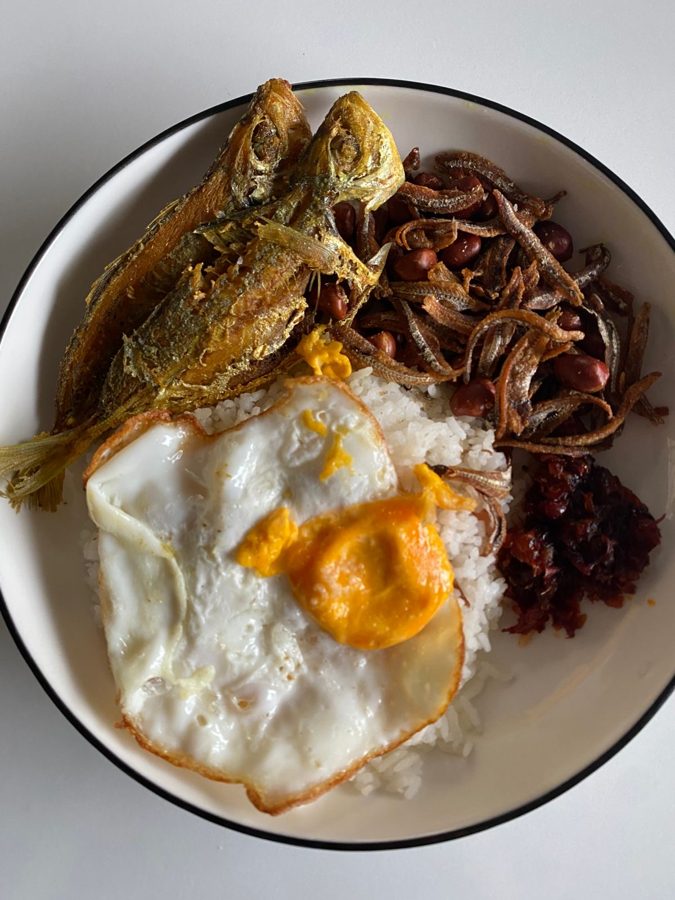
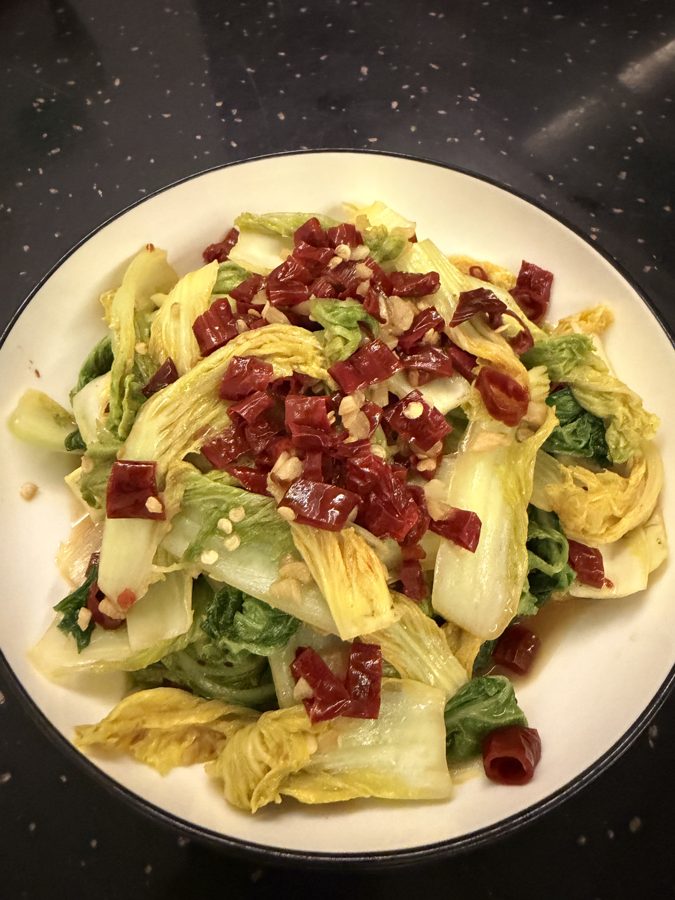
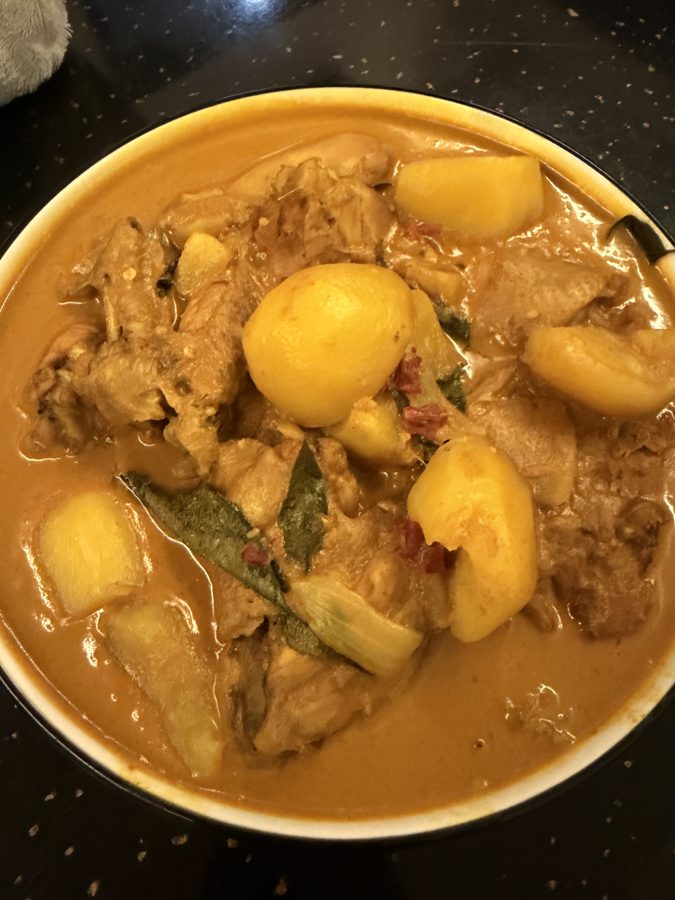
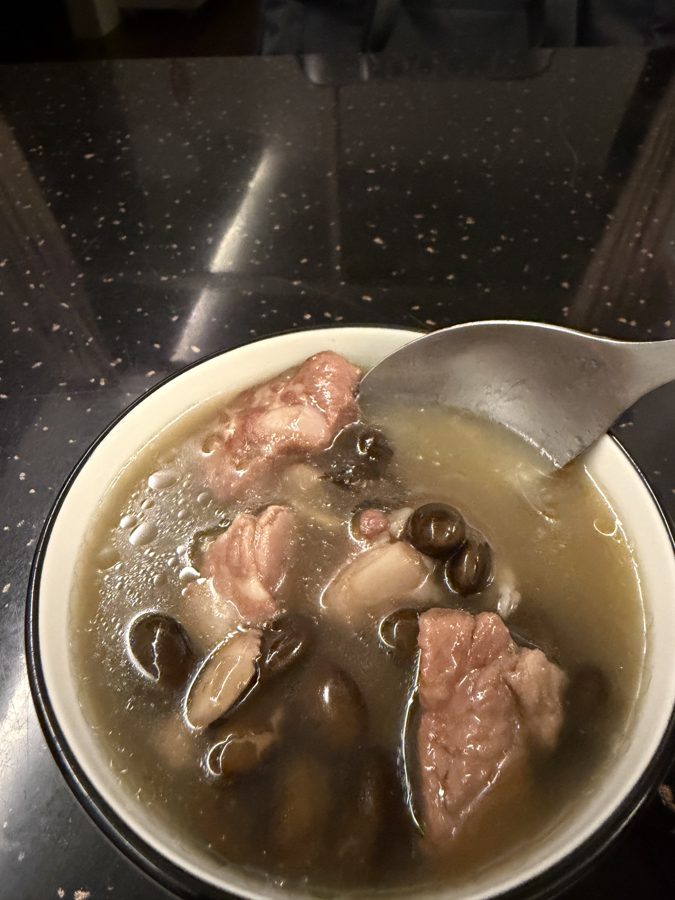
A proper dinner means three dishes — one soup, one vegetable, one meat. So the watch-write-do cycle runs three times, one complete loop per dish.
Watch all three videos, then write all three, then cook all three. Batching creates confusion — steps blur, dishes merge, nothing sticks. One complete loop per dish, every time.
Training happens at our place, and the food she makes is the food she eats. That's not a perk — it's the feedback loop. Taste, portioning, and standards are learned by eating your own work. When a dish isn't right, she knows it before anyone tells her.

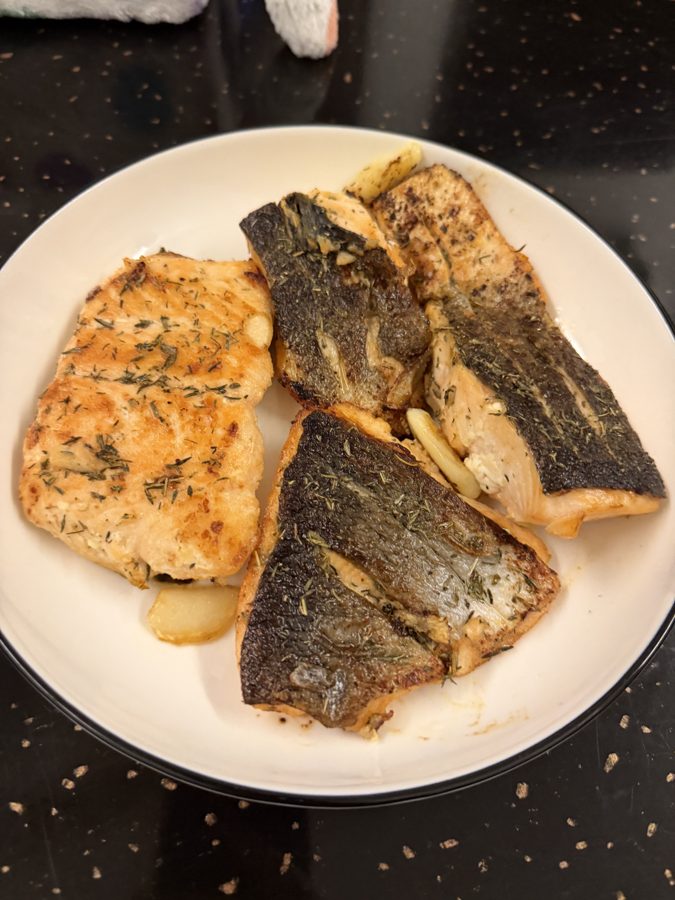
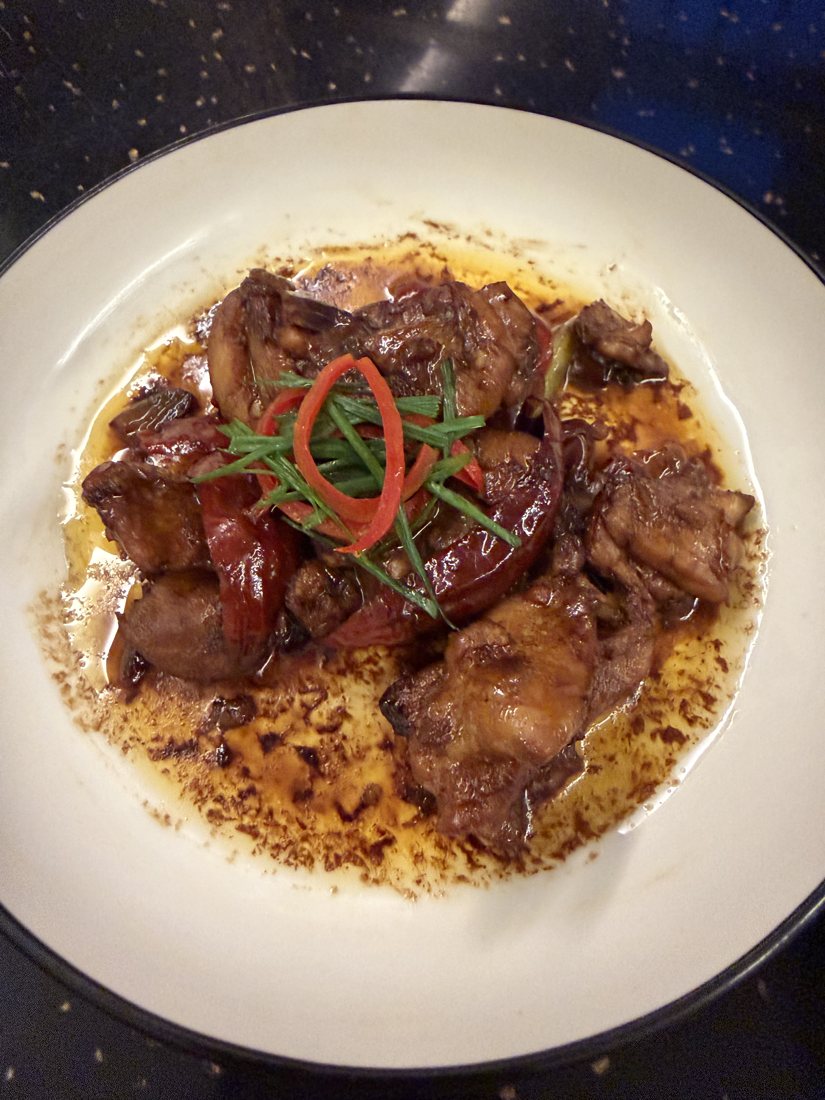
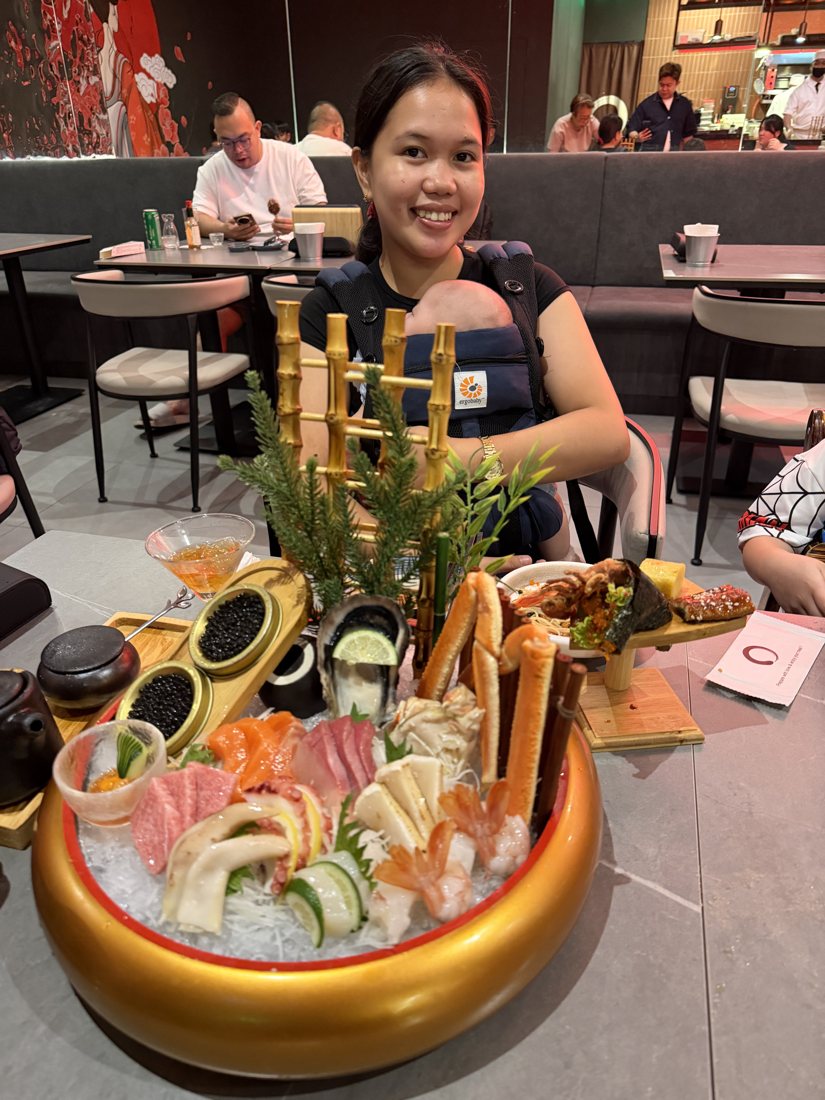
Every dish is tasted and scored personally by our founder, with feedback on how it can be better. Because here's what most people miss: many helpers have never tasted the dishes they're asked to cook. How would she know her aglio olio is off, or the steak is overdone, if she's never eaten one first-hand?
The scoring works both ways. A good first take gets praised out loud — that's what gives her the courage to keep trying new dishes. And when something misses, "it's not nice" is banned in our kitchen. If it's not nice — why? Too salty? Overcooked? What would make it better? That's feedback she can actually use, and repeat.
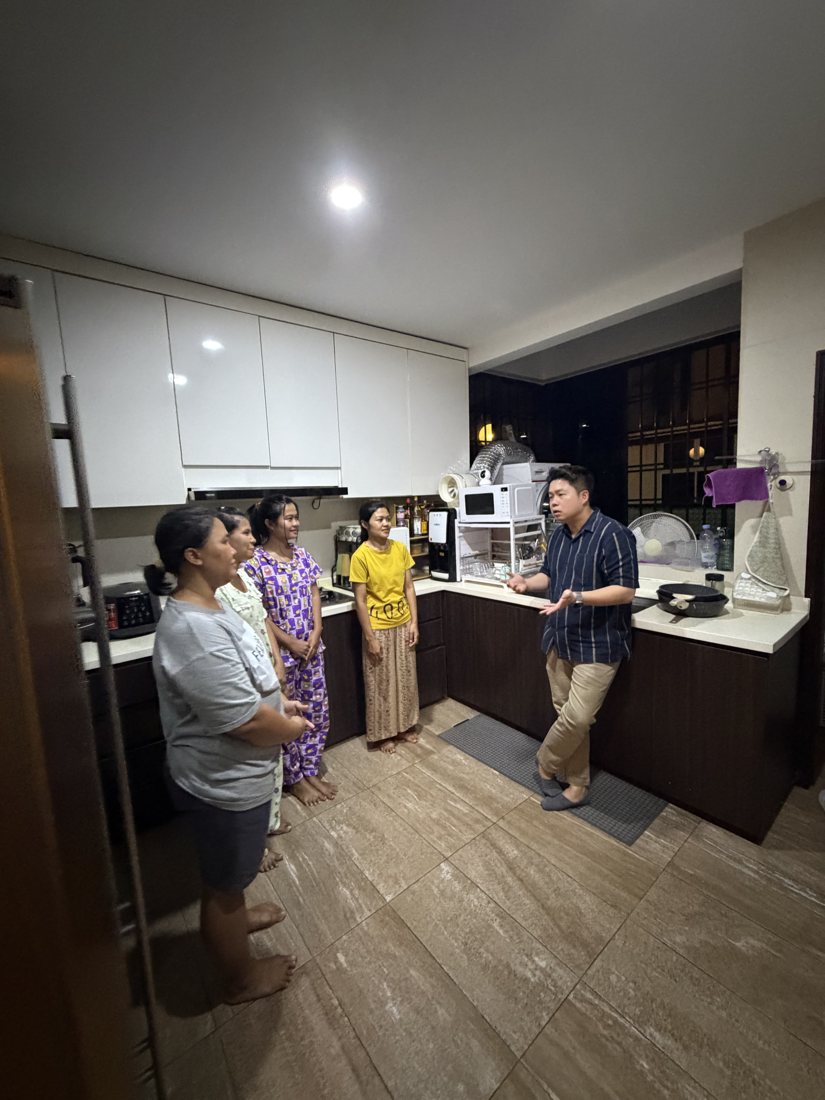
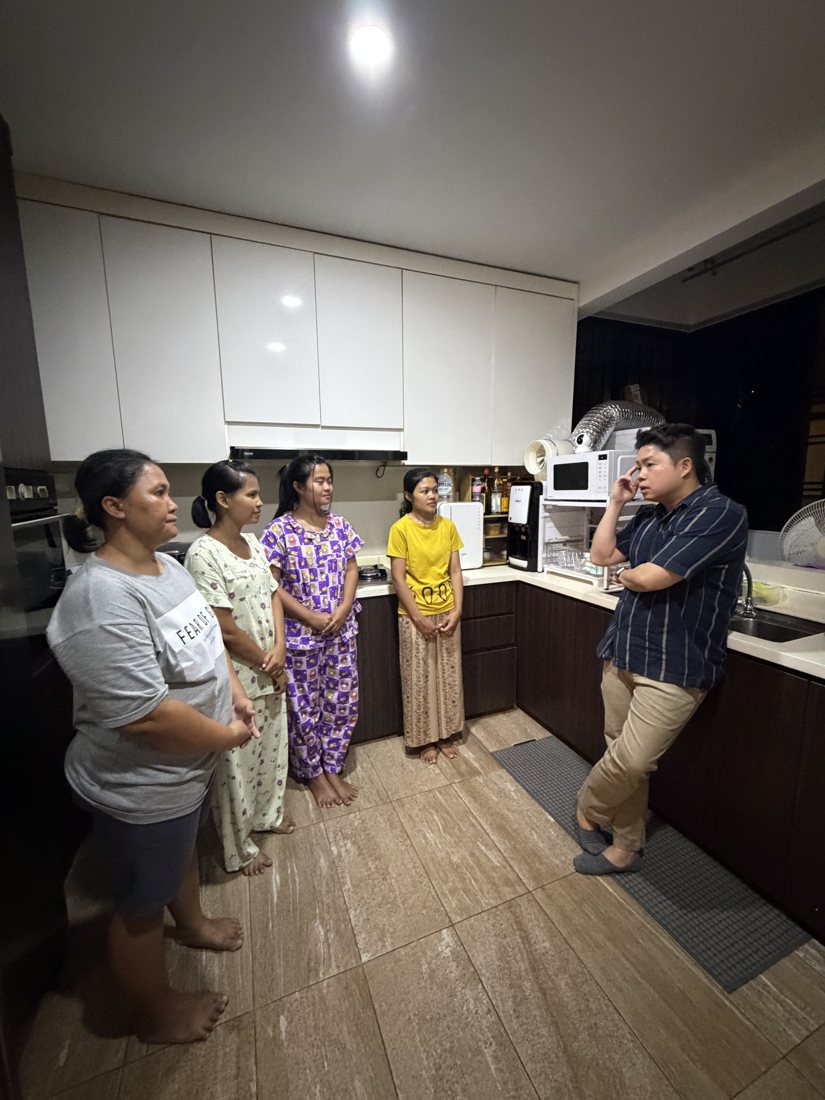
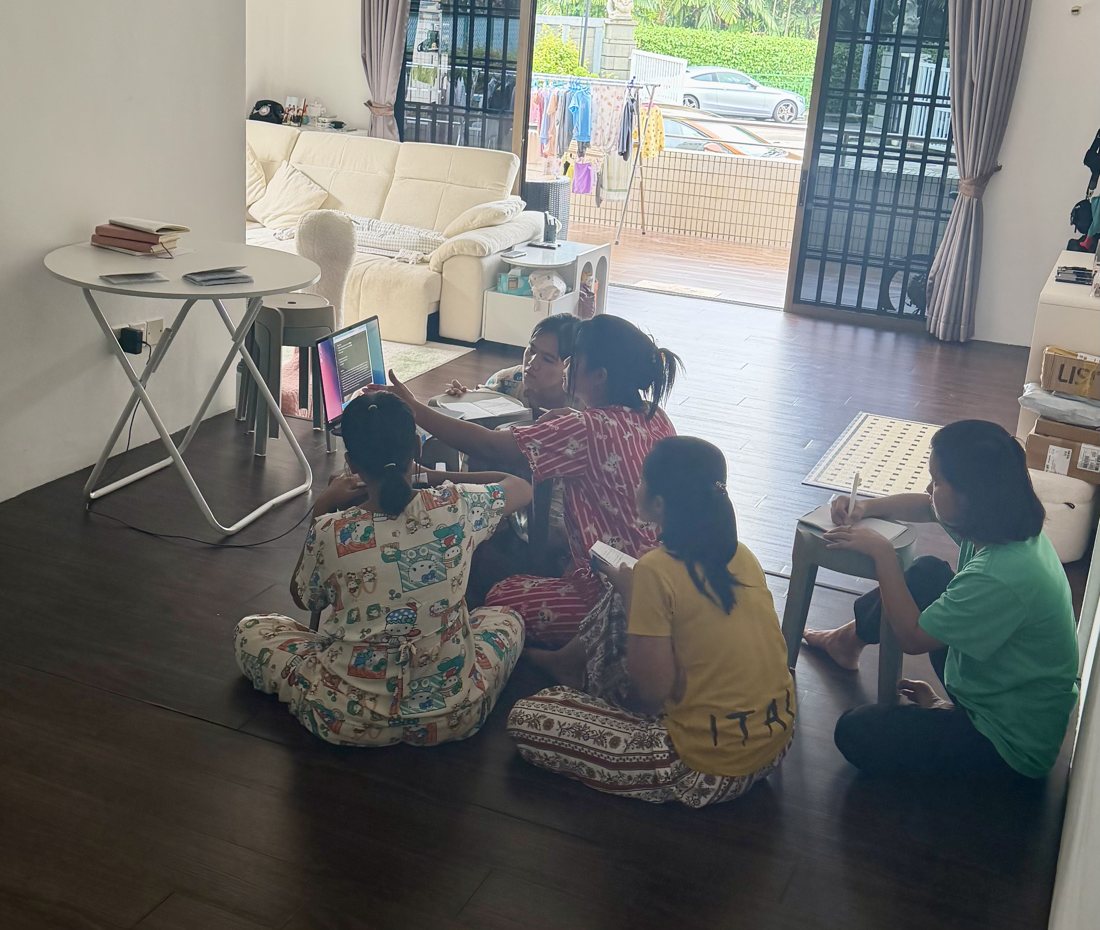
A mindset talk during training — shot on iPhone, no edits.
Mindset Training
Housework can be taught in a week. How to think about the work — that takes conversations. So between the hands-on modules, our founder sits every batch down and talks about the mentality the job deserves: taking ownership, speaking up early instead of hiding mistakes, and treating an employer's home as a responsibility, not a checklist.

It's the part of training no certificate can show. And it's why our helpers arrive with more than skills — they arrive knowing what kind of helper they want to be.
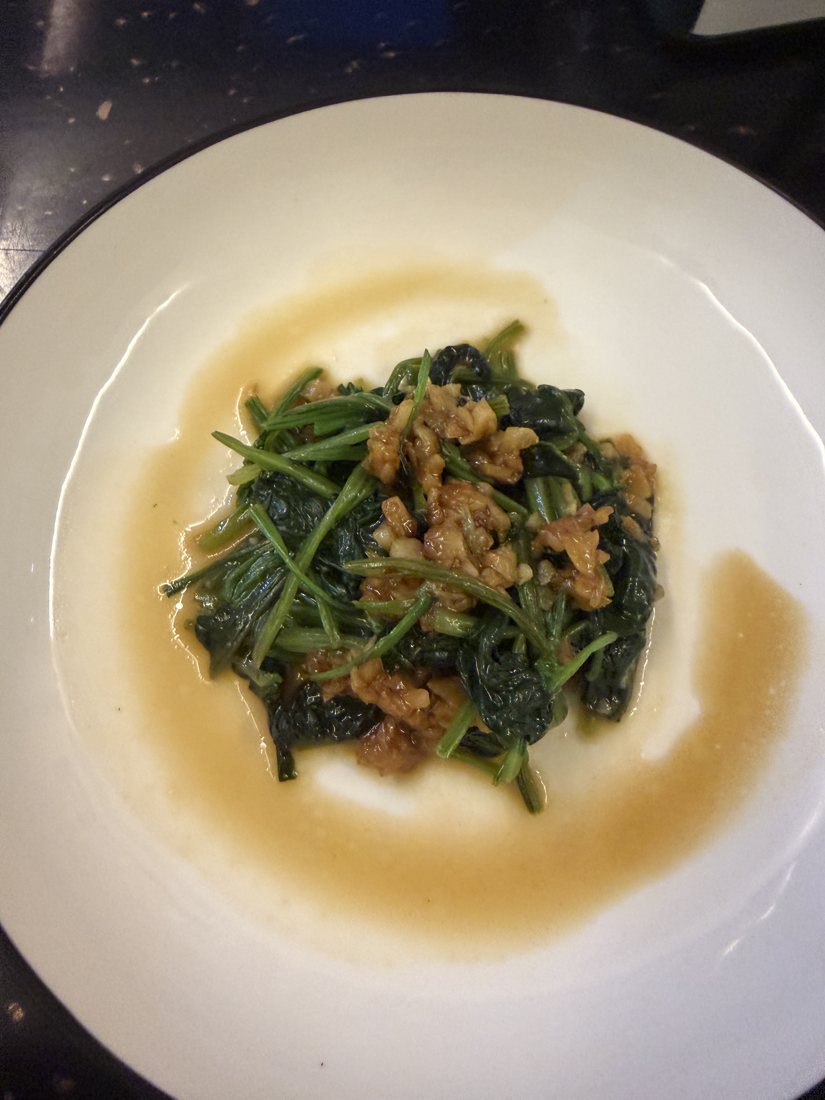
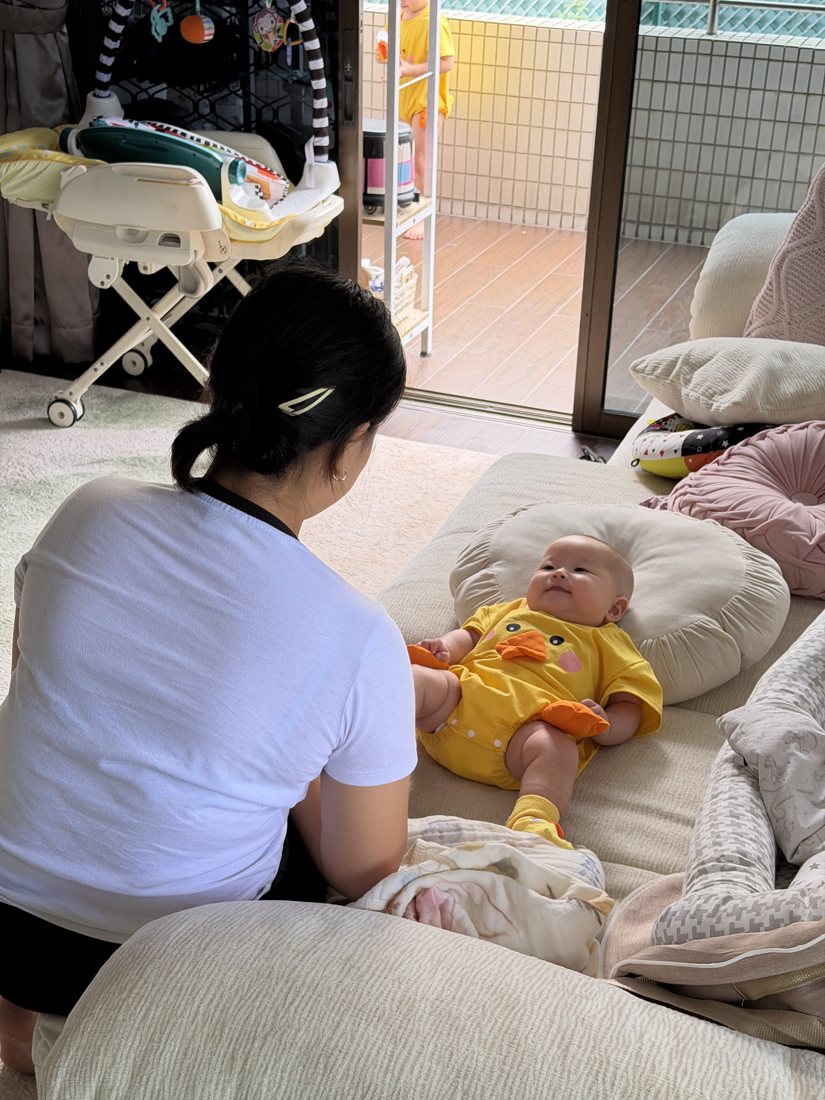
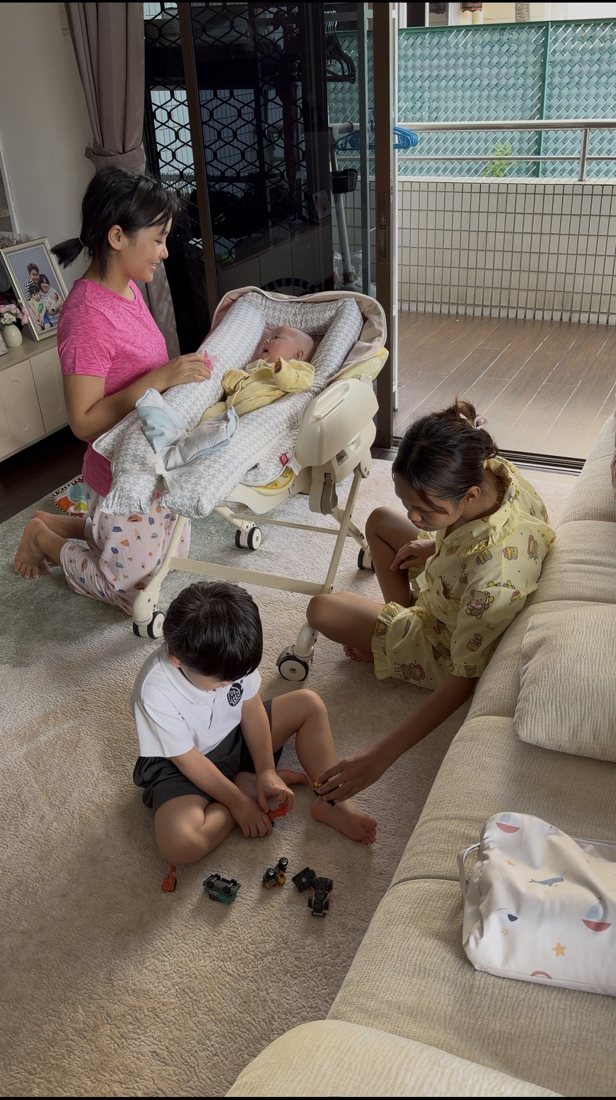
Training, In Pictures


While She Trains
Every training day, updates land in your WhatsApp — photos of what she cooked, what she completed, and how she scored. By the time she reaches your door, you already know exactly what you're getting.
Day 3 — curry chicken, first attempt. Scored 7/10, feedback given on gravy thickness 👍
12:41Ironing module completed this morning. Moving to kitchen hygiene after lunch.
14:05
Day 5 — steamed fish. 9/10. She's ready for your kitchen.
18:22Wah, can cook for us already 😄
18:31The Full Programme
Every helper goes through all of them — hands-on, in a real home, with photo updates sent to you as it happens.
Start with a 45-minute conversation about your home. No commitment.